

Slow Travel in Switzerland: The Ultimate Guide (2026)
Slow travel in Switzerland is the smartest way to experience the country – and most people get it completely wrong. They rush…
Slow travel in Switzerland is the smartest way to experience the country – and most people get it completely wrong.
They rush between mountain towns, change hotels every two nights, and try to squeeze Interlaken, Lucerne, Zermatt, and Geneva into a single trip.
They leave saying it was beautiful – but exhausting.
With one of the world’s most efficient rail networks, compact geography, multilingual culture, and local alpine traditions, Switzerland is uniquely designed for slow travel.
You don’t need a car. You don’t need a packed itinerary. And you definitely don’t need to move every other day.

Slow travel in Switzerland means choosing a base and staying long enough to feel the rhythm of daily life – morning markets, lakeside walks, panoramic train journeys, mountain hikes, and evenings that aren’t rushed.
In this ultimate guide to slow travel in Switzerland, you’ll learn exactly how to plan a slower, richer Swiss journey – from the best regions to base yourself, to realistic timelines, transport strategy, and sample itineraries designed for depth, not speed.
Why Switzerland Is Perfect for Slow Travel

Switzerland is made for travellers who want to slow down and truly experience a country rather than rushing from place to place.
Its compact geography, reliable rail network, and culturally diverse regions make it easy to settle in one area while still having access to the rest of the country.
Whether you’re hiking in the Alps, exploring lakeside towns, or wandering medieval cities, slow travel in Switzerland lets you enjoy each moment fully – from tasting local cuisine to soaking in the scenery.
Compact Size
One of Switzerland’s biggest advantages for slow travel is its size.
You can travel from the mountains of the Bernese Oberland to the shores of Lake Geneva in just a few hours by train.
Staying in a single base town for several days lets you explore deeply, savour the atmosphere, and immerse yourself in local life rather than constantly packing and moving on.

Rail Network
Switzerland’s rail network is world-class and perfectly suited to slow travel.
With the Swiss Travel Pass, you can enjoy unlimited train, bus, and boat journeys, often without needing a car.
Scenic trains such as the Glacier Express and Bernina Express turn travel time into memorable experiences, letting you admire alpine valleys, lakes, and villages from the comfort of your seat.
Cultural Regions
Switzerland is home to four main languages and cultures – German, French, Italian, and Romansh – each with its own traditions, cuisine, and pace of life.
Slow travel allows you to savour these differences, spending a week in a French-speaking lakeside town before exploring a German-speaking alpine village the next.
Read our guide about Do People speak English in Switzerland.
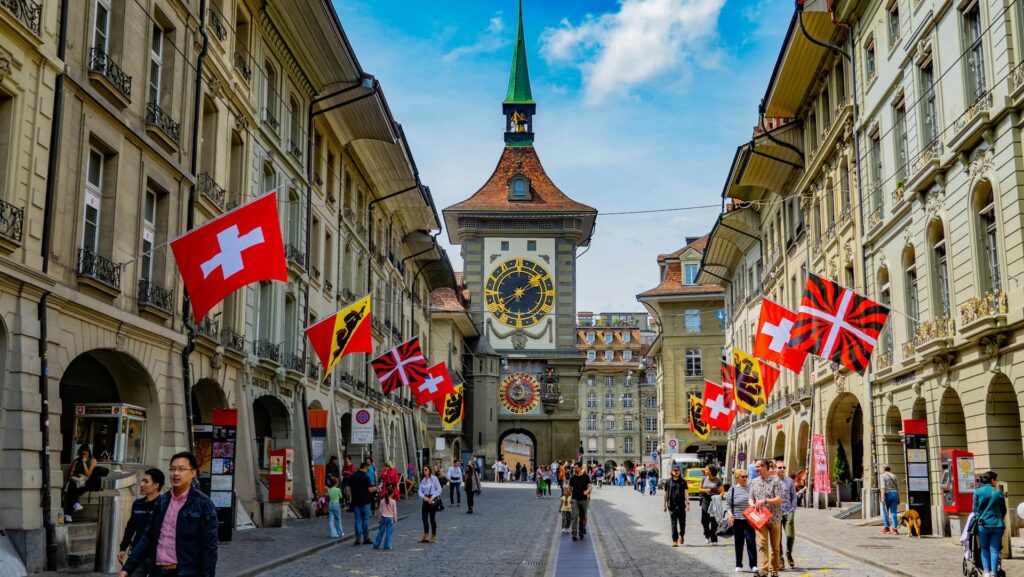
Outdoor Lifestyle
Outdoor life is central to Swiss culture. Hiking trails, lakeside promenades, and cycling routes everywhere, giving travellers natural ways to slow down and engage with the environment.
Settling in a town for several days gives you the freedom to structure your days leisurely: morning hikes, afternoon lake swims, and evening strolls through charming villages.
Infrastructure Quality
Finally, Switzerland’s infrastructure makes slow travel seamless. Efficient trains, clean towns, excellent signage, and a high level of safety allow travellers to focus on experiences rather than logistics.
This reliability is one of the reasons Switzerland consistently ranks as one of Europe’s easiest countries to explore at a relaxed pace.

What “Slow Travel” Looks Like in Switzerland
Slow travel in Switzerland isn’t just about moving at a leisurely pace – it’s about immersing yourself in the country’s rhythms, landscapes, and culture.
Instead of rushing from town to town, slow travel encourages spending more time in one place, connecting with locals, and appreciating the Switzerland around you.
From scenic train rides to local markets and relaxed hikes, experiencing Switzerland slowly lets you enjoy a deeper, more meaningful journey.
Staying Longer in One Base Town
Choosing a central base town is the cornerstone of slow travel in Switzerland.
Whether it’s Lauterbrunnen in the Bernese Oberland or Montreux on Lake Geneva, staying for several days allows you to explore surrounding areas without constant packing, unpacking, or train hopping.
Shopping at Local Markets
Local markets are a window into Swiss life.
From fresh cheeses and alpine honey to regional pastries and wines, visiting farmers’ markets, village fairs, and artisan shops lets travellers engage with communities naturally.
Slow travel in Switzerland emphasises taking time to explore these experiences rather than rushing through tourist hotspots.

Scenic Train Journeys
Switzerland is famous for scenic rail journeys – read my The Alps By Train guide for inspiration.
Trains like the Glacier Express or Bernina Express transform travel between towns into an adventure itself.
With panoramic windows and onboard comfort, these rides embody slow travel in Switzerland, letting you savour alpine scenery while moving effortlessly between regions.
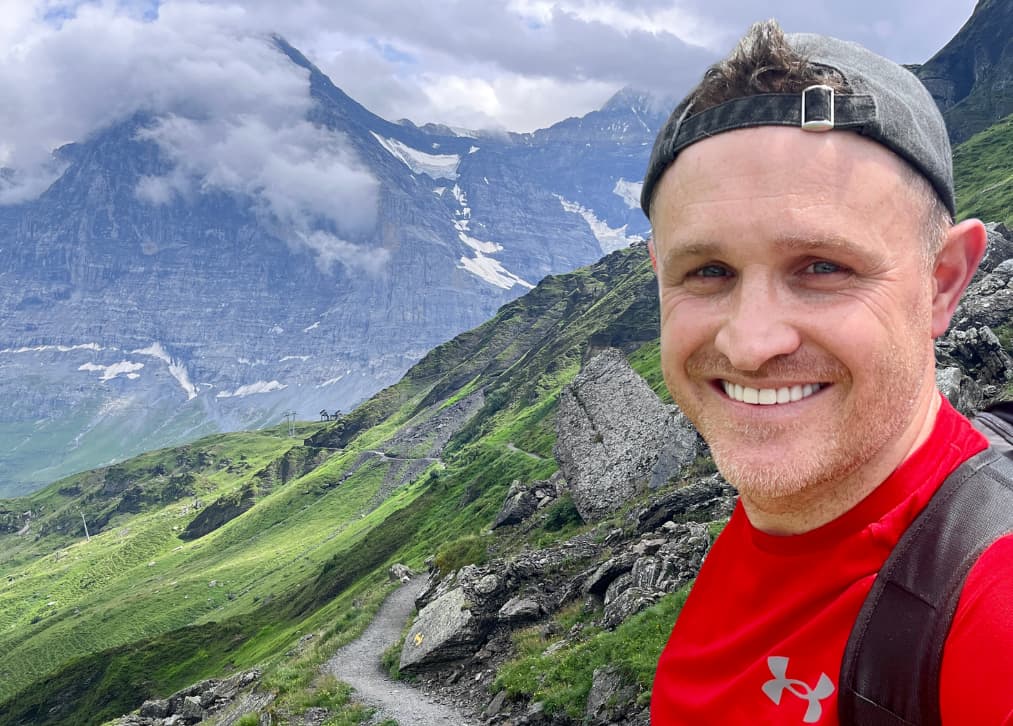
Walking, Hiking, and Cycling
One of the best ways to experience Switzerland slowly is on foot or by bike.
From short lakeside strolls to day-long alpine hikes, Switzerland’s infrastructure supports safe, well-marked trails.
Walking through medieval towns or cycling around lakes allows travellers to notice details that often get missed when moving too quickly.
Experiencing Local Festivals and Culture
Slow travel is also about timing your trip to experience local traditions.
Seasonal festivals, alpine herding ceremonies, and village events give insight into Swiss life.
By staying longer in a region, you can participate in cultural experiences that short-term visitors usually miss.
For example, I was lucky enough to spend time in Wengen during Swiss National Day and got to watch the local parades.
Best Regions for Slow Travel in Switzerland
Switzerland offers a variety of landscapes and cultural experiences, making it perfect for slow travel.
From alpine valleys to lakeside towns and historic city centres, each region has its own rhythm, scenery, and activities.
Choosing where to spend your time is key to experiencing Switzerland at a relaxed pace.
Here’s my guide to the best regions for slow travel in Switzerland.
The Bernese Oberland
The Bernese Oberland is a paradise for slow travel in Switzerland.
Nestled among soaring Alps and cascading waterfalls, towns like Lauterbrunnen, Grindelwald, and Interlaken offer a mix of nature and small-town charm.
Spending several days in this region lets you explore alpine trails, take scenic train rides, and discover hidden waterfalls – all at a leisurely pace.
Key highlights:
- Base towns: Lauterbrunnen, Grindelwald
- Activities: Hiking, cable cars, waterfalls, Jungfraujoch scenic visits
- Slow travel tip: Take day trips by train instead of changing hotels frequently
Lake Geneva & French Switzerland
Lake Geneva and the surrounding French-speaking towns are ideal for a slower Swiss experience.
Montreux, Lausanne, and Vevey offer lakeside promenades, vineyards, and a relaxed cultural pace.
This region blends natural beauty with French-inspired cuisine and architecture, making it perfect for travellers looking to combine leisure with scenic exploration.
Key highlights:
- Base towns: Montreux, Lausanne, Vevey
- Activities: Vineyard walks in Lavaux, lakeside strolls, local markets
- Slow travel tip: Plan multiple days in one lakeside town to enjoy markets, boat rides, and sunsets
Bern & Central Switzerland
Central Switzerland, anchored by Bern and Lucerne, is perfect for travellers who want historic towns, lakes, and easy access to multiple regions.
Bern’s UNESCO-listed Old Town, Lucerne’s lakeside charm, and nearby mountains provide opportunities for cultural immersion and outdoor activities without rushing.
Key highlights:
- Base towns: Bern, Lucerne
- Activities: Medieval town walks, lake cruises, short mountain excursions
- Slow travel tip: Use one central base and take day trips to surrounding villages
Ticino (Italian Switzerland)
Ticino, Switzerland’s Italian-speaking region, offers a completely different vibe for slow travel.
With palm-lined lakes, Mediterranean-style towns, and sun-soaked piazzas, Ticino lets you experience a warmer, more relaxed side of Switzerland.
Staying in Lugano or Ascona for several days allows for easy exploration of lakes, villages, and local cuisine.
Key highlights:
- Base towns: Lugano, Ascona
- Activities: Lakeside walks, Italian-inspired cuisine, cultural festivals
- Slow travel tip: Spend multiple days in one town to enjoy slow lakeside mornings and relaxed evenings
How Long Do You Need for Slow Travel in Switzerland
One of the most common questions travelers ask is: “How long should I stay for slow travel in Switzerland?”

The answer depends on how deeply you want to experience the country.
Slow travel in Switzerland isn’t about ticking off destinations quickly – it’s about immersing yourself in the landscapes, towns, and local culture.
Here’s a breakdown of realistic timelines for different types of slow travel itineraries.
1 Week – One Base Town
- Ideal for: Travellers who want a taste of Switzerland without rushing.
- Recommended base: Bernese Oberland (Lauterbrunnen or Grindelwald) or Lake Geneva (Montreux).
- Focus: Explore one region in depth – morning hikes, lakeside walks, local markets.
- Tip: Use scenic trains or short day trips to nearby towns instead of constantly changing accommodations.
Read my 4 day itinerary to spending time in Wengen, Switzerland.
2 Weeks – Two to Three Bases
- Ideal for: Travellers who want a multi-region experience without rushing.
- Recommended bases: Bernese Oberland + Lake Geneva, or Bern + Lucerne.
- Focus: Spend 4–5 days in each base, combining nature, towns, and cultural experiences.
- Tip: Plan scenic train rides between bases to make travel itself part of the experience.
1 Month – Regional Immersion
- Ideal for: Travellers wanting deep immersion in Switzerland’s culture, towns, and outdoors.
- Recommended bases: 3–4 towns spread across Bernese Oberland, Lake Geneva, Central Switzerland, and Ticino.
- Focus: Really live in each place – discover local routines, markets, festivals, and hidden spots.
- Tip: Mix slow travel with light adventure – lake kayaking, mountain hikes, and wine region exploration.
3+ Months – Cantonal Depth
- Ideal for: Seasonal travellers, digital nomads, or anyone wanting to explore Switzerland like a local.
- Focus: Spend weeks in each canton, attend festivals, volunteer, or take short courses.
- Benefits: True cultural immersion, deep connection with communities, seasonal experiences.
- Tip: Consider combining slow travel with Swiss city apartments or long-term stays in smaller towns.

Where to Base Yourself
Choosing the right base towns is one of the most important steps for slow travel in Switzerland.
Staying longer in a single location reduces the stress of constant packing and unpacking, allows you to settle into local rhythms, and makes day trips to surrounding areas effortless.
By picking towns that serve as convenient hubs, you can fully experience Switzerland at a relaxed pace without sacrificing variety or scenery.
Bernese Oberland – Lauterbrunnen & Grindelwald

The Bernese Oberland is an alpine paradise, making it a perfect region for slow travel in Switzerland.
Settling in towns like Lauterbrunnen or Grindelwald allows you to enjoy panoramic mountain views, cascading waterfalls, and charming villages without constantly moving between accommodation.
Spending several days in one base gives you the freedom to hike the Jungfrau region trails, ride cable cars to alpine peaks, and explore local cafés and shops at a leisurely pace.
For travellers seeking adventure without rush, the Bernese Oberland combines scenic beauty with accessibility.
You can easily take day trips to nearby towns, visit alpine lakes, or experience iconic viewpoints, all while returning to your base each evening.
Lake Geneva – Montreux & Lausanne

Lake Geneva and its French-speaking towns offer a slower, cultural side of Switzerland.
Staying in Montreux or Lausanne allows travellers to stroll along lake promenades, visit Lavaux’s terraced vineyards, and enjoy the relaxed café culture.
By choosing one base, you can fully experience the local lifestyle, attend seasonal events like the Montreux Jazz Festival, and take scenic boat rides along the lake without feeling rushed.
Spending multiple days in a single town also makes it easier to explore nearby villages and vineyards at a natural pace.
This approach embodies the philosophy of slow travel in Switzerland, where time is spent savoring experiences rather than ticking off attractions.
Central Switzerland – Bern & Lucerne
Central Switzerland is ideal for travellers who want a mix of history, culture, and nature.
Towns like Bern and Lucerne provide well-preserved medieval centres, lakeside promenades, and easy access to surrounding villages and mountains.
By staying in one central base, you can enjoy walking tours of historic streets, take lake cruises, or embark on day hikes without packing up every few days.
The region’s infrastructure makes slow travel simple: efficient trains, clear signage, and compact towns allow you to focus on experiences rather than logistics.
Settling in a single town for several days ensures that each visit feels immersive rather than rushed.
Ticino – Lugano & Ascona
Ticino, the Italian-speaking region of Switzerland, offers a warm, Mediterranean-inspired slow travel experience.
Base yourself in Lugano or Ascona to enjoy palm-lined lakesides, relaxed piazzas, and Italian-influenced cuisine.
Spending multiple days in one town allows you to wake up slowly to lakeside views, explore nearby villages, and attend local festivals at a leisurely pace.
Ticino’s slower lifestyle and sunny climate make it ideal for travellers looking to balance exploration with relaxation.
Whether it’s lakeside walks, café afternoons, or regional excursions, staying longer in one town lets you truly feel the rhythm of life in this unique part of Switzerland.
Getting Around Switzerland Slowly
One of the best aspects of slow travel in Switzerland is how easy it is to move around without a car.
Switzerland’s extensive rail network, complemented by buses, boats, and walking paths, allows travelers to explore the country comfortably and at a relaxed pace.
By using public transport and scenic routes, travel itself becomes part of the experience rather than just a means to get from one destination to another.
Swiss Travel Pass – The Ultimate Tool for Slow Travel
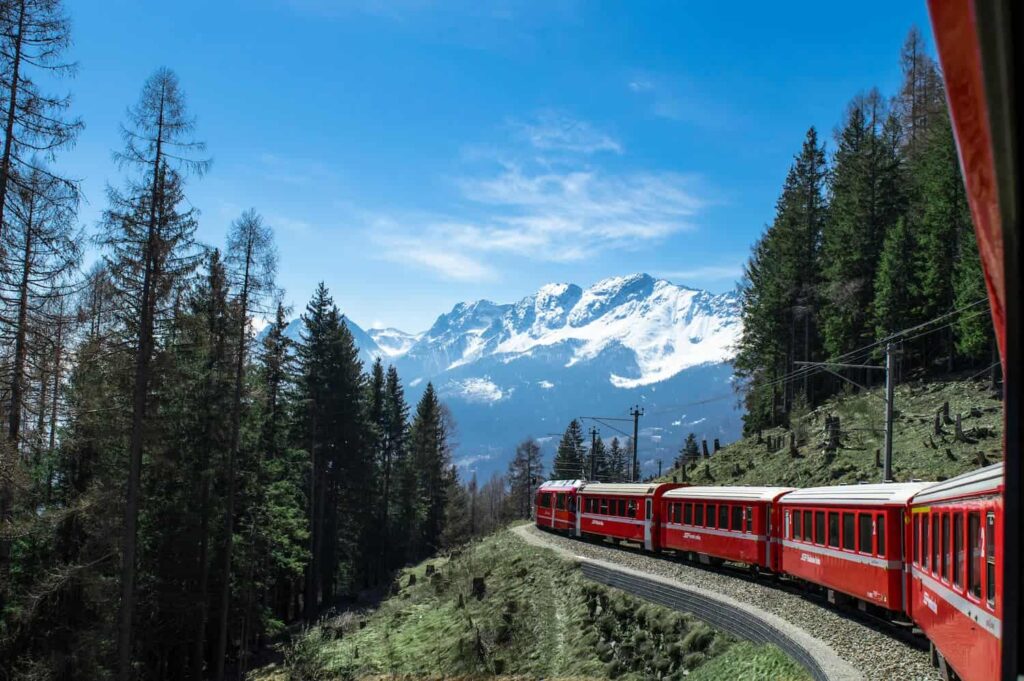
The Swiss Travel Pass is the cornerstone of slow travel in Switzerland.
It provides unlimited travel on trains, buses, and boats across the country for a set number of days.
Using a Travel Pass simplifies planning, eliminates the stress of buying multiple tickets, and encourages spontaneous exploration.
Whether you are hopping between regions or staying in one base, the pass allows you to enjoy scenic journeys without worrying about logistics.
Travellers can choose a multi-day national pass for a broader itinerary or regional passes for a slower, more immersive experience in a specific area.
This flexibility makes the Travel Pass an indispensable tool for anyone who wants to experience Switzerland at a leisurely pace.
Scenic Trains – Travel as the Destination
Switzerland’s scenic trains transform travel into a highlight of your journey.
Iconic routes like the Glacier Express, Bernina Express, and Golden Pass Line offer panoramic views of the Alps, lakes, and charming villages.
Riding these trains allows you to appreciate landscapes in comfort, turning the journey between towns into an unforgettable experience.
Using scenic trains aligns perfectly with slow travel in Switzerland because it emphasises taking time to enjoy the environment, rather than rushing from one sightseeing spot to the next.
Walking & Cycling – Explore Locally

Many Swiss towns are compact and walkable, making it easy to explore at a relaxed pace.
Cobblestone streets, historic districts, and lakeside promenades invite leisurely strolls, while cycling routes around lakes and through valleys offer gentle exercise and scenic views.
Slow travel tip: Plan half-day walking or cycling excursions from your base town to fully immerse yourself in local culture and landscapes.
This approach encourages observation of small details – a café tucked down an alley, a hidden waterfall, or a local market – that often get missed when moving too quickly.
Boats & Ferries – A Relaxing Alternative
Switzerland’s lakes provide another leisurely transport option.
Ferries and boats on Lake Geneva, Lake Lucerne, and Lake Lugano allow travelers to explore towns from the water.
A scenic boat ride can replace a train or car journey, giving a new perspective on familiar landscapes and adding a slow, peaceful dimension to travel.
Using ferries and boats fits perfectly into the slow travel philosophy, as it emphasizes enjoyment of the journey rather than speed.
Why Cars Aren’t Necessary for Slow Travel

While renting a car is possible, it often encourages rushing and can be stressful in mountainous regions.
Switzerland’s public transport network is reliable, punctual, and scenic, making a car largely unnecessary for slow travel.
If visiting remote areas not accessible by train or bus, consider short-term rentals or day trips rather than full-time driving.
By relying on trains, buses, boats, and walking, travelers can focus on experiences and scenery, staying aligned with the core principle of slow travel in Switzerland.
How to Book Slow Travel in Switzerland
Booking a slow travel trip to Switzerland requires a little planning, but it’s simpler than many travellers imagine.
With world-class rail networks, scenic trains, regional flights, and well-maintained roads, Switzerland is one of the easiest countries in Europe to explore slowly.
By understanding the best ways to travel, buy tickets, and plan connections, you can make your slow travel experience smooth, flexible, and enjoyable.
Choosing Your Entry Point – Airports in Switzerland
For international travellers, Switzerland has several convenient airports that serve as gateways to different regions.
- Zurich Airport is the largest and best connected to both the city and the wider country by frequent trains.
- Geneva Airport is ideal if you plan to explore western Switzerland, including Lake Geneva and the French-speaking regions.
- Basel-Mulhouse Airport is another good entry point for northern Switzerland and easy access to France and Germany.
Once you land, the country’s efficient rail network ensures you can reach your first base town quickly and comfortably.
Depending on your itinerary, some travelers may also consider flying into smaller airports such as Bern or Lugano, although these options are limited and usually serve regional flights.
Tip for slow travel: Plan your arrival based on the region you intend to explore first to minimise travel time and maximise immersion.
Travelling by Train – The Heart of Slow Travel

Switzerland’s rail system is arguably the most important tool for slow travellers.
Trains are punctual, scenic, and incredibly convenient, connecting major cities, towns, and mountain regions.
For most travellers, trains eliminate the need for a car, except for exploring remote corners.
Swiss Federal Railways (SBB/CFF/FFS)
The SBB (Schweizerische Bundesbahnen / CFF / FFS) operates the majority of Switzerland’s trains.
SBB trains are reliable, frequent, and cover the country comprehensively.
You can book tickets online at the SBB website or mobile app, or buy them at stations.
Many regional trains do not require reservations, allowing for spontaneous travel – perfect for slow travel flexibility.
Tips for booking:
- Buy tickets in advance for intercity or scenic trains like Zurich to Zermatt to save money.
- Regional and commuter trains can often be purchased on the same day.
- Consider the Swiss Travel Pass if you plan multiple journeys; it offers unlimited travel on most trains, buses, and boats for 3–15 days.
Scenic Trains and Mountain Railways
For classic Swiss experiences, include scenic trains in your itinerary. Options include:
- Glacier Express: Connects Zermatt to St. Moritz; reservations required.
- Bernina Express: Chur to Tirano (Italy), passing glaciers and alpine valleys.
- GoldenPass Line: Lucerne to Montreux with panoramic coaches.
Most scenic trains require seat reservations even with a Swiss Travel Pass, and booking early ensures availability, especially during peak season.
Slow travel tip: Consider a scenic train journey as a leisurely “moving day” – it combines travel with sightseeing, turning transit into part of the experience.
Tickets and Passes – Simplifying Your Travel
For slow travellers, understanding Swiss ticket options can save both money and stress.
Swiss Travel Pass
The Swiss Travel Pass is ideal for slow travel because it allows unlimited travel on almost all trains, buses, and boats for consecutive days (3, 4, 8, or 15).
It also includes free or discounted entry to over 500 museums and attractions.
Point-to-Point Tickets
For those staying in one region or making a few trips, point-to-point tickets might be more cost-effective.
Tickets can be purchased online, at ticket machines, or at the station.
Remember that some scenic trains require seat reservations in addition to your ticket.
Regional Passes
Switzerland offers regional passes for specific areas, such as:
- Tell-Pass: Central Switzerland, including Lucerne and surrounding mountains.
- Bernese Oberland Regional Pass: Covers local transport in Interlaken, Lauterbrunnen, and Grindelwald.
These passes are ideal for slow travellers focusing on one region for several days.
Slow travel tip: Compare costs between a Swiss Travel Pass and regional passes depending on your itinerary.
Renting a Car – When It Makes Sense
While trains cover most of Switzerland, a rental car can be useful for remote areas or for travellers wanting extra flexibility.
Cars are especially handy in:
- Mountain villages not directly served by trains.
- Off-the-beaten-path regions in Graubünden or Ticino.
- Exploring multiple towns in one day without relying on timetables.
Tips for renting:
- Book in advance to secure the best rates.
- Check whether your accommodation offers parking; some mountain hotels have limited spaces.
- Consider a compact car for narrow village roads and mountain passes.
For most slow travellers, combining trains with occasional car rentals is enough, leaving driving optional rather than essential.

Booking Accommodation for Slow Travel
Slow travel emphasises staying longer in one place, so choosing accommodation wisely is important.
Options include:
- Guesthouses or B&Bs: Offer local hospitality and longer stay discounts.
- Hotels: Central locations make town exploration easy.
- Apartments or Airbnb: Perfect for self-catering and settling into a region.
Slow travel tip: Book for 3–5 nights per base town, allowing you to unpack, explore at a relaxed pace, and take day trips without feeling rushed.
Other Travel Tips for Slow Travel in Switzerland
- Plan around connections: Swiss trains are frequent, but check schedules for mountain railways or scenic trains.
- Pack light: Easier to move between trains, buses, and boats.
- Use mobile apps: SBB app shows real-time schedules, platforms, and disruptions.
- Consider seasonal variations: Snow may affect mountain railways in winter, while summer brings crowded scenic trains.
Cost of Slow Travel in Switzerland
Switzerland is often considered expensive, but with careful planning, slow travel in Switzerland can be both enjoyable and manageable.
Understanding the costs of accommodation, transport, food, and activities allows travellers to plan a trip that is immersive yet realistic.
Slow travel encourages staying longer in one place, which often reduces daily expenses and allows for deeper experiences without constantly moving or overspending.

Accommodation Costs
Accommodation in Switzerland ranges from budget hostels to luxury hotels, and staying longer in one base can help reduce costs.
Airbnb or guesthouse stays in towns like Lauterbrunnen, Montreux, or Lucerne often offer discounts for week-long stays.
For slow travellers, extended stays not only cut down on packing and transportation costs but also provide opportunities to connect with local hosts and communities.
Food & Dining
Eating out in Switzerland can be expensive, but there are ways to enjoy local cuisine without breaking the bank.
Slow travel encourages shopping at local markets, visiting bakeries, and enjoying picnics by lakes or in alpine meadows.
For longer stays, renting accommodation with a kitchen allows you to cook some meals using fresh local ingredients.
Sampling Swiss cheeses, chocolate, and regional specialties is part of the experience, and doing so slowly spreads the cost over time.

Transportation Costs
Transport is a significant consideration for slow travellers.
The Swiss Travel Pass simplifies budgeting because it covers unlimited travel on trains, buses, and boats.
While the upfront cost may seem high, it often saves money compared to buying individual tickets, especially if you plan multiple day trips or scenic train journeys.
Regional passes can also be cost-effective for travelers staying in a single area.
Activities & Experiences
Costs for activities vary widely depending on whether you’re hiking, taking scenic trains, or visiting museums.
Many natural experiences, like alpine walks, lake hikes, and village exploration, are free or low-cost – perfect for slow travel.
Scenic train rides, cable cars, and guided tours are higher-cost activities but provide unforgettable experiences.
Planning your itinerary to balance free and paid activities helps keep the trip enjoyable and affordable.
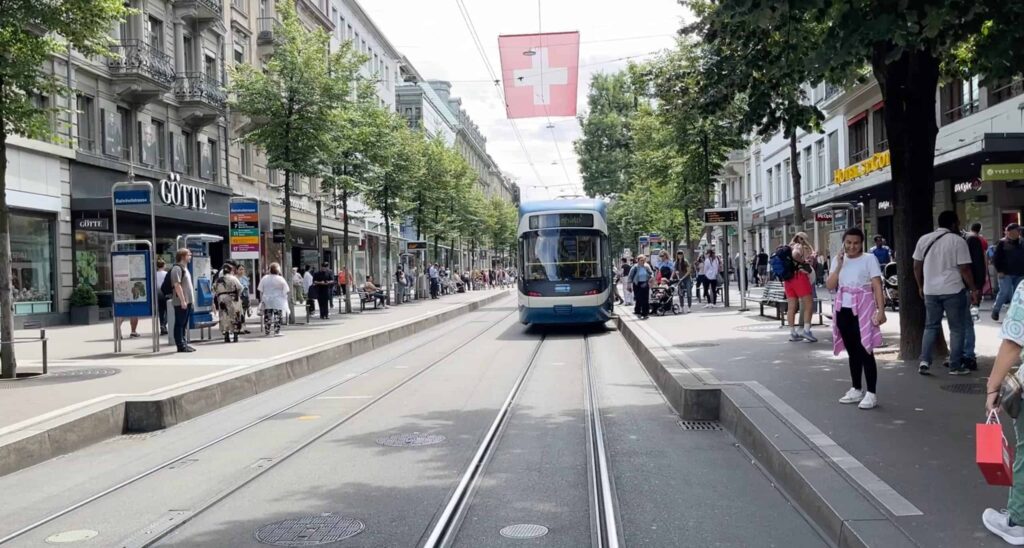
Sample Slow Travel Itineraries
Planning your slow travel in Switzerland depends on how much time you have and which regions you want to explore.
Below are sample itineraries designed to immerse you in Swiss culture, nature, and scenic landscapes, all without the rush of a traditional sightseeing trip.
Each itinerary emphasises staying longer in one base and exploring at a relaxed pace.
10-Day Bernese Oberland Itinerary
For a week to ten days in Switzerland, focusing on the Bernese Oberland offers the perfect mix of alpine scenery and village life.
Base yourself in Lauterbrunnen or Grindelwald and spend your first day settling in and exploring the village.
The next few days can include hiking trails in the valley, visiting waterfalls like Staubbach and Trümmelbach, and taking the scenic Jungfraujoch train.
Day trips to nearby towns such as Wengen and Mürren give variety without the stress of constantly changing accommodations.
Evenings can be spent in cozy cafés, sampling local cuisine, or strolling through quiet streets.
This itinerary balances adventure with relaxation and embodies the essence of slow travel in Switzerland.

Two-Week Multi-Region Itinerary
A two-week trip allows for a deeper experience across multiple regions.
Start in the Bernese Oberland for four to five days, then move along Lake Geneva to Montreux or Lausanne, spending several days enjoying vineyards, lakeside walks, and French-speaking culture.
Finish the itinerary with Central Switzerland in Bern or Lucerne, exploring historic towns, taking lake cruises, and hiking nearby mountains.
This pacing ensures each region is experienced fully without rushing.
Scenic train rides between regions add to the journey, making travel itself an enjoyable part of the itinerary.

One-Month Immersive Experience
For a month in Switzerland, slow travel means true immersion.
Spend several days in each base town, rotating between the Bernese Oberland, Lake Geneva, Central Switzerland, and Ticino.
This allows you to attend local festivals, enjoy seasonal activities, and explore hidden corners that many tourists miss.
Morning walks by lakesides, afternoons exploring villages, and evenings sampling local food become the rhythm of the trip.
By staying longer in each place, you experience Switzerland in a way that shorter trips rarely allow.

Slow Experiences You Shouldn’t Rush
One of the joys of slow travel in Switzerland is the chance to savour experiences rather than ticking off attractions.
By slowing down, you can enjoy the little moments that make a trip truly memorable: the scent of alpine meadows, quiet lakeside mornings, or local market discoveries.
Here are some experiences that deserve your time and attention.
Alpine Hikes and Valley Walks

Switzerland’s mountains and valleys are best explored on foot.
Settling in towns like Lauterbrunnen, Grindelwald, or Zermatt allows you to take your time on alpine hikes, exploring trails at a pace that lets you stop for scenic overlooks, photograph waterfalls, and enjoy picnic spots along the way.
Slow travel encourages you to spend a whole day on a single trail or explore lesser-known paths, rather than rushing through the famous peaks.
Vineyards and Wine Regions
Regions like Lavaux, near Lake Geneva, or Ticino’s sunny valleys are perfect for slow travel.
Instead of visiting multiple vineyards in a single day, take time to enjoy a few select wineries, participate in tastings, and wander through terraced vineyards.
Staying nearby overnight allows for a relaxed pace, and combining walks through villages with vineyard views embodies the essence of slow travel.
Lakeside Exploration

Switzerland’s lakes – Geneva, Lucerne, Lugano, and Zurich – are ideal for unhurried exploration.
Take a morning stroll along the water, enjoy a leisurely boat ride, or spend an afternoon in a small lakeside café.
By dedicating a few days to one lake region, you can experience local life, swim in clear waters, and capture the serene landscapes that are often missed by rushed itineraries.
Local Markets and Village Life
Slow travel encourages engaging with communities in a way that fast-paced trips cannot.
Visit local farmers’ markets, bakeries, and artisan shops.
Spend time wandering small villages in Central Switzerland or Ticino, chatting with locals, and observing traditional Swiss life.
These everyday experiences provide a deeper understanding of the culture and often become the most memorable moments of a trip.
Scenic Trains and Relaxed Journeys

Finally, don’t underestimate the experience of traveling slowly between regions.
Scenic trains such as the Glacier Express, Bernina Express, and Golden Pass Line allow you to see the country’s natural beauty while sitting back and enjoying the ride.
Unlike rushed transfers, these journeys turn travel itself into a highlight, letting you admire valleys, mountains, and lakes in comfort.
When Is the Best Time for Slow Travel in Switzerland
Timing your trip is an important part of slow travel in Switzerland, as each season offers unique experiences and rhythms.
Unlike rushed itineraries that prioritize ticking off sights, slow travel benefits from aligning with the natural pace of the region – whether it’s alpine blooms in spring, sunny lake days in summer, colourful hikes in autumn, or winter snow sports and cozy villages.
Spring (March to May)
Spring is ideal for travelers who want mild weather and fewer crowds.
Alpine meadows bloom with wildflowers, and the lower valleys become perfect for hiking and village walks.
Slow travel during spring allows for gentle exploration of towns like Montreux, Bern, and Lucerne before peak tourist season.
Seasonal markets and festivals also provide authentic cultural experiences without the rush of summer crowds.
Summer (June to August)
Summer is the most popular season for slow travel in Switzerland, offering long days, warm temperatures, and open hiking trails.
It’s perfect for lakeside exploration, multi-day hikes in the Bernese Oberland, or boat rides on Lake Geneva and Lake Lucerne.
Although more tourists are present, staying longer in one base allows you to enjoy early mornings and quieter spots while experiencing the country at a relaxed pace.
Autumn (September to November)
Autumn offers a quieter, more reflective pace for slow travellers.
Vineyards in Lavaux and Ticino glow with fall colors, hiking trails are less crowded, and temperatures remain comfortable.
Autumn is perfect for combining scenic walks with local cultural experiences, such as harvest festivals, wine tastings, and village markets.
Spending several days in one region during this season allows you to fully soak in the atmosphere without hurrying.
Winter (December to February)
Winter transforms Switzerland into a snowy wonderland, ideal for travellers who enjoy alpine sports or cozy village experiences.
Base yourself in towns like Zermatt, Grindelwald, or St. Moritz for skiing, snowshoeing, and festive holiday markets.
Slow travel in winter emphasises lingering in cafés, exploring snow-covered landscapes, and taking scenic train rides through the Alps.
Frequently Asked Questions about Slow Travel in Switzerland
How long is ideal for slow travel in Switzerland?
The ideal length depends on your travel goals. For a taste of one region, 7–10 days in a single base town like Lauterbrunnen or Montreux works well. For a multi-region experience, plan 2–3 weeks, or even a month if you want deep cultural immersion and leisurely exploration. Longer stays let you fully enjoy local life, seasonal festivals, and scenic day trips.
Is Switzerland expensive for slow travel?
Switzerland can be pricey, but slow travel helps manage costs. Staying longer in one town reduces accommodation and transportation expenses, cooking some meals or shopping at local markets cuts food costs, and balancing free outdoor activities with paid experiences keeps the trip enjoyable and affordable. Using passes like the Swiss Travel Pass also helps save on transport.
What are the best base towns for exploring Switzerland slowly?
Choosing the right base is key. In the Bernese Oberland, towns like Lauterbrunnen and Grindelwald offer mountain access and alpine charm. Lake Geneva has Montreux and Lausanne for lakeside relaxation and vineyards. Central Switzerland offers Bern and Lucerne for historic towns, while Ticino provides a Mediterranean feel in Lugano and Ascona. Spending several days in one base maximizes immersion.
Can I travel Switzerland without a car?
Absolutely. Switzerland’s trains, buses, boats, and walking paths make car-free travel simple and scenic. The Swiss Travel Pass covers most public transport and scenic trains, allowing you to explore multiple regions comfortably. Walking and cycling locally also enhance the slow travel experience, making cars largely unnecessary.
Which season is best for slow travel in Switzerland?
Each season offers unique advantages:
Spring: Alpine flowers, fewer crowds, mild weather.
Summer: Long days, open trails, lake activities.
Autumn: Colorful landscapes, harvest festivals, quieter paths.
Winter: Skiing, snowshoeing, and cozy alpine villages.
The best time depends on your preferred activities and whether you want crowds or quiet immersion.
How do scenic trains fit into a slow travel itinerary?
Scenic trains like the Glacier Express, Bernina Express, and Golden Pass Line turn travel itself into an experience. They allow you to enjoy Switzerland’s landscapes without rushing, complementing slow travel principles by making the journey as memorable as the destinations. Plan a scenic train day or integrate it between base towns.
What experiences should I prioritize when traveling slowly in Switzerland?
Focus on experiences that allow for immersion: alpine hikes, lakeside walks, village markets, vineyards, local festivals, and scenic train journeys. Spending time in each place, observing daily life, and savoring meals or sunsets makes slow travel rewarding and memorable. Avoid overpacking your itinerary — quality of experience matters more than quantity.
My Final Thoughts
Switzerland is a country made for slow travel, offering compact regions, stunning landscapes, rich culture, and seamless transport.
By choosing the right base towns, taking scenic trains, exploring lakes, hiking alpine trails, and immersing yourself in local life, you can experience the country at a relaxed, meaningful pace.
Slow travel encourages savoring every moment, rather than rushing from one attraction to the next, creating memories that last far beyond the trip itself.
Planning a trip around slow travel in Switzerland doesn’t have to be overwhelming.
Start by deciding how long you want to stay, pick a base or two, and focus on activities that allow you to connect with nature and culture.
Seasonal timing, local markets, village exploration, and scenic journeys can all be incorporated at your own pace, making every day feel purposeful and enjoyable.
By following these principles and exploring our detailed guides, you’ll be able to plan a slow travel Switzerland experience that balances adventure, relaxation, and cultural immersion.
Every town, trail, and lake becomes more meaningful when you travel slowly, letting you truly connect with the country’s landscapes, people, and rhythms.


